DIGITAL ADOPTION
How WalkMe Works.
WalkMe, the leading Digital Adoption Platform (DAP), overlays on any application, identifying where critical workflows break, and then provides personalized guidance and automation.
With WalkMe, you can better coordinate your people, processes, and technology to improve workflows and drive better business outcomes.

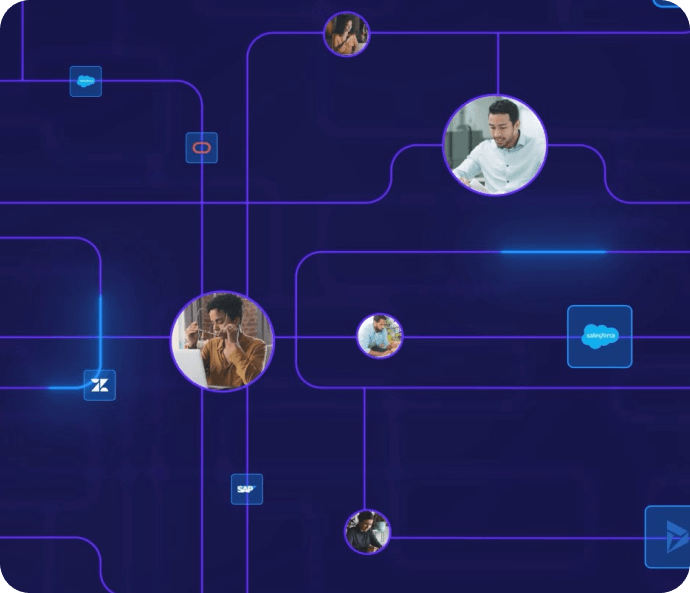
Start-to-finish:
Take your workflows to the next level.
STEP 1: SCOPE

Determine your scope.
Use WalkMe to optimize a workflow, improve adoption, or simply fix that error-prone field. Unsure where to drive the most value? WalkMe can show you.
STEP 2: START
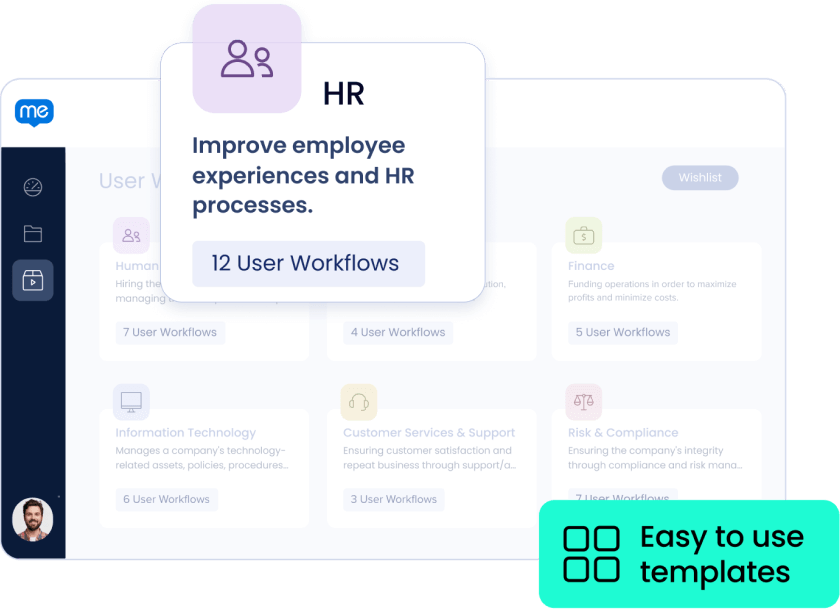
Get started with predefined solutions.
Or begin from scratch! WalkMe offers customizable predefined solutions at the workflow, app, or task level, so you can reach time-to-value faster than ever.
STEP 3: BUILD
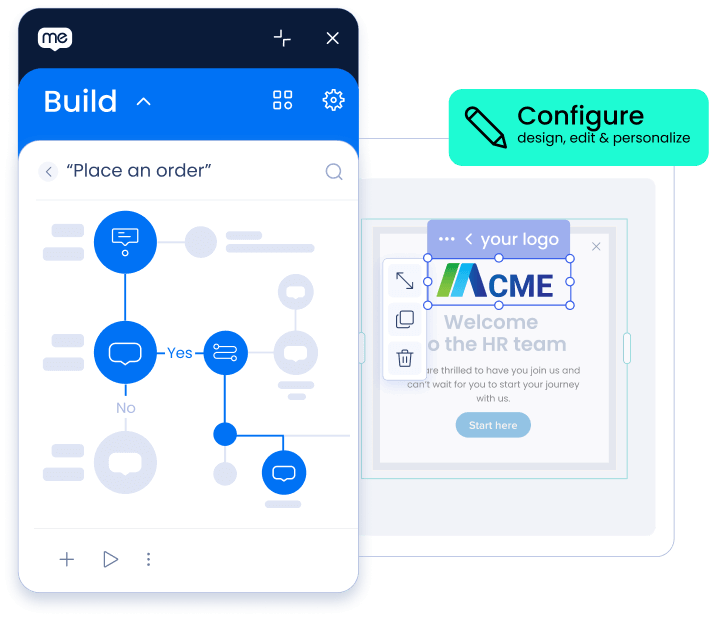
Build for your needs.
When you’re ready to configure the exact guidance you need, WalkMe offers the most powerful, flexible, and intuitive building experience in the industry.
STEP 4: DEPLOY
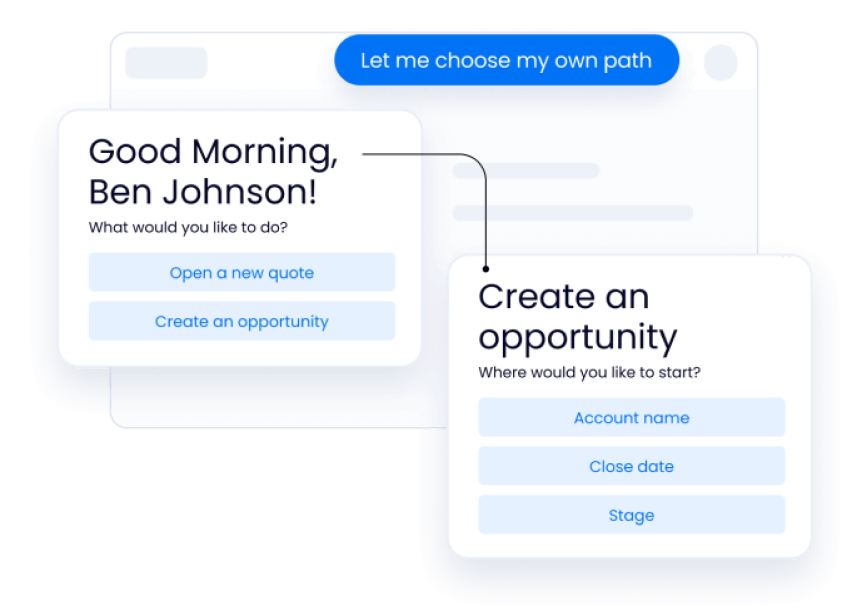
Deploy to your workforce or customers.
No other DAP provider meets users where they are like WalkMe. Build conditions and segments to offer guidance and automation exactly the way users want it.
STEP 5: ANALYZE
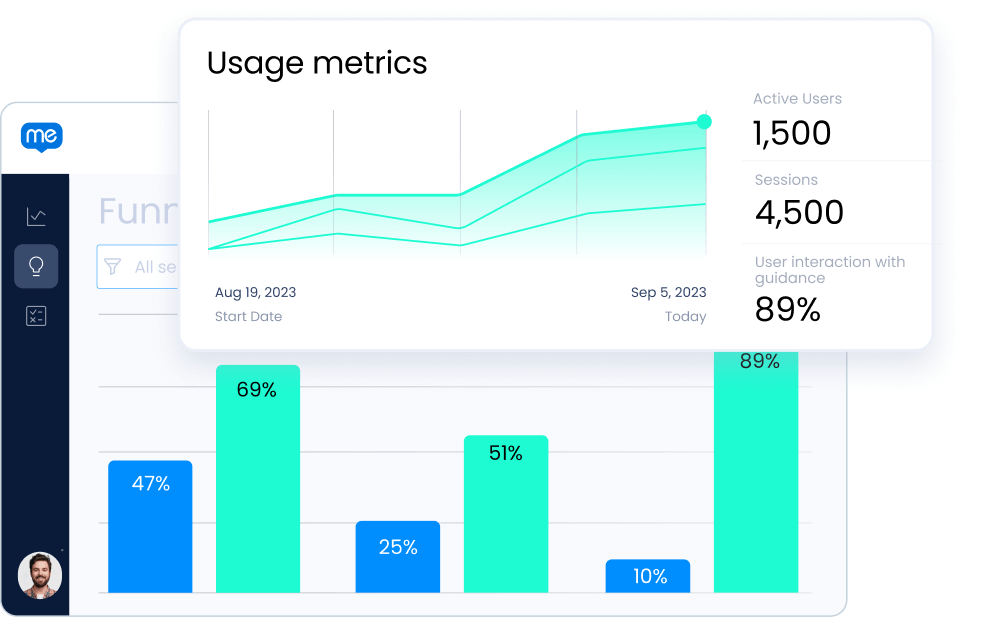
Analyze, rinse, repeat.
Sit back and enjoy the results. Then rinse and repeat. WalkMe makes measuring ROI easy, then empowers you to find the next adoption project to tackle.
There’s a reason 27% of the Fortune 500 use WalkMe.
494%
3-year ROI.
35%
faster employee onboarding.
5 mos
Est. WalkMe customer payback period
$41.4m
total new revenue gained annually.
113
FTE higher net productivity
THE WALKME ADVANTAGE
DeepUI understands software like humans do.
WalkMe’s patented, AI-powered DeepUI technology processes user interfaces on a human level, not just in zeros and ones. This means WalkMe truly understands how people use applications – it knows how software UI is built, learns how individual elements perform, continuously monitors for changes, and adapts in real-time.
The result? A no-code building building experience and guidance that doesn’t break.
WalkMe delivers, but don’t take our word for it.
Hear from your peers and explore WalkMe solutions by industry, department, or use case.




Explore more from WalkMe.

GUIDE
The definitive digital adoption buyer’s guide
GAME
Take the WalkMe Challenge
WEBINAR
Digital adoption: The new imperative for software ROI
Frequently asked questions
Ready to go frictionless?
Get started with digital adoption today.